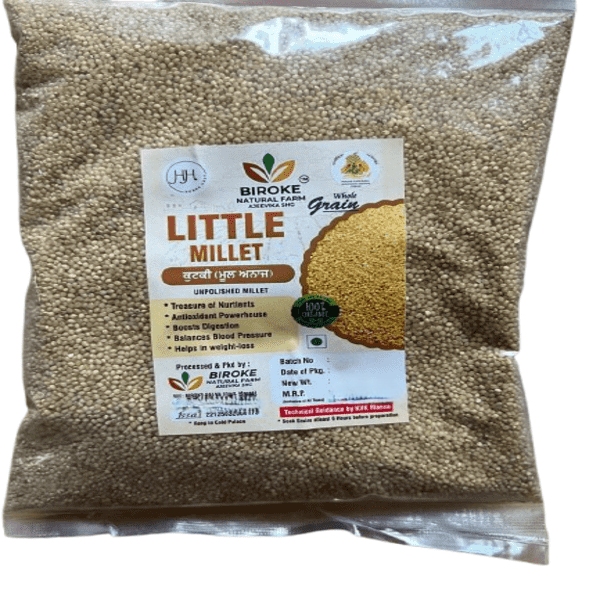
Little Millets (Kutki)
Code : P2153
INR
 1376 /
 Bag MRP : 2279 40% Off Excluding Taxes & Duties
Extra Charges : Shipping | Insurance | Packaging
Net Weight : 10 Kg
Description :
The Ancient Super-Seed: Little Millet – Your Gluten-Free Powerhouse for Metabolic Balance and Eco-Conscious Nutrition.
Overview and Origins
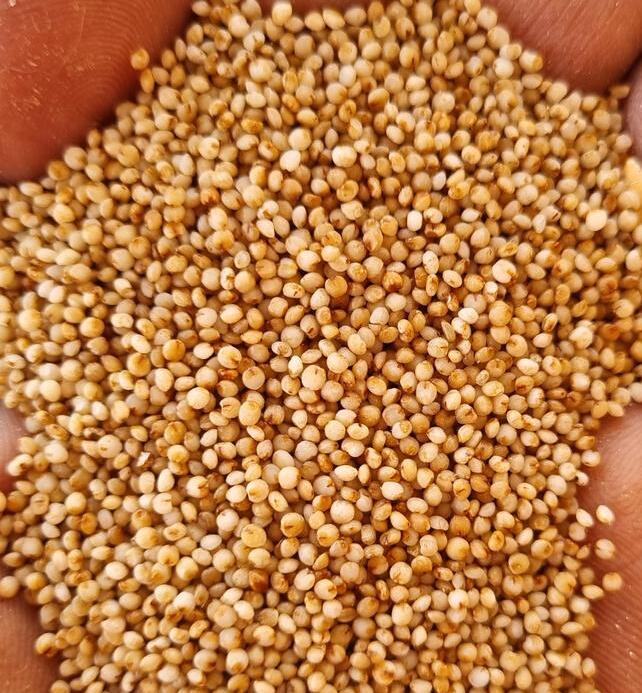
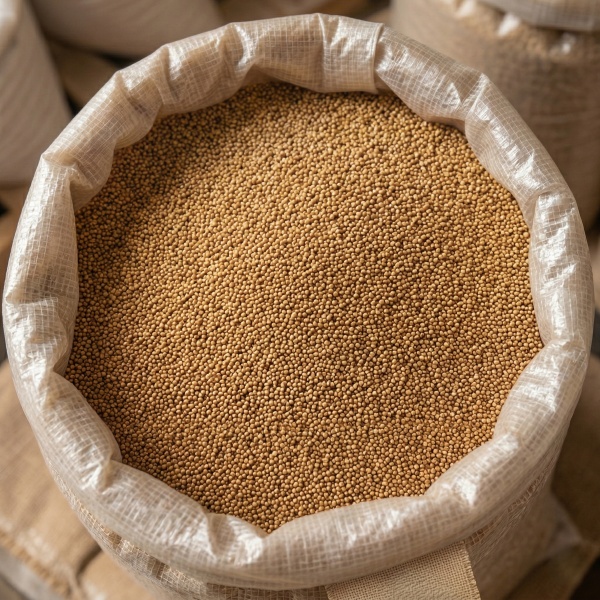
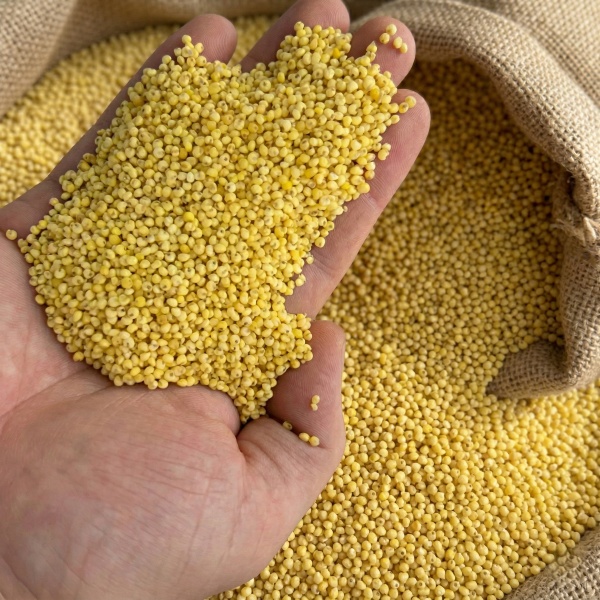
Little millet, botanically known as Panicum sumatrense, is one of the ancient small millets that has been a staple in the Indian subcontinent for over 5,000 years. Unlike its larger cousins, this grain is characterized by its tiny, round seeds and incredible resilience. Historically, it was a reliable food source for tribal communities and rural populations, thriving in harsh environments where other crops would fail. Today, it is undergoing a massive revival as a super-grain, bridging the gap between ancient agricultural wisdom and modern nutritional needs.
Nutritional Value and Health Benefits
Do not let the size fool you; little millet is a nutritional powerhouse packed with essential micronutrients and bioactive compounds. It is naturally gluten-free and boasts a significantly lower glycaemic index than rice or wheat, making it an ideal choice for managing blood sugar levels. Rich in dietary fibre, it aids digestion and promotes a feeling of fullness. Furthermore, it is loaded with minerals like iron, magnesium, and phosphorus, along with antioxidants such as polyphenols and phytates that help combat oxidative stress and support heart health.
Culinary Preparation and Versatility
In the kitchen, little millet is a true chameleon. It has a mild, nutty flavour and a delicate texture that allows it to absorb the flavours of accompanying ingredients beautifully. It serves as a perfect 1:1 replacement for white rice in dishes like pilaf, curd rice, and khichdi. When ground into flour, it adds a nutritional boost to rotis, pancakes, and baked goods. Because it cooks quickly—usually in about 10 to 12 minutes—it is a convenient option for busy households looking to upgrade their diet without spending hours at the stove.
Sustainability and Empowering Local Farmers
Choosing little millet is a vote for a healthier planet. It is an eco-friendly crop that requires minimal water compared to thirsty grains like rice and sugarcane, and it can grow in poor soil without the need for synthetic fertilizers or pesticides. By integrating little millet into your pantry, you directly support small-scale farmers who maintain biodiversity. Cultivating these hardy grains empowers local agricultural communities, ensuring they have a sustainable income while preserving traditional farming practices that protect our soil for future generations.
Why Choose Little Millet?
Little millet is the ultimate intersection of health, taste, and ethics. It offers a dense profile of vitamins and minerals that modern processed diets often lack, all while being incredibly easy to digest. Whether you are an athlete looking for sustained energy, someone managing a gluten intolerance, or simply a conscious consumer wanting to reduce your environmental footprint, little millet provides a delicious and practical solution. It is not just a grain; it is a step toward a more resilient and nourished lifestyle.
Experience the lightness of a nutrient-dense ancient grain that fuels your vitality while safeguarding our planet—every tiny seed embodies a promise of low-glycaemic health, sustainable agriculture, and the empowerment of traditional farming communities dedicated to a greener future. Location : Andhra Pradesh, India
Specification :
| Nutritional Profile |
: |
Little millet is a nutrient-dense grain that offers a superior alternative to polished cereals like rice. Here is a breakdown of its primary components:
Complex Carbohydrates: Composed mostly of non-starchy polysaccharides and complex carbs that digest slowly, providing a steady stream of energy without spiking blood sugar.
High Dietary Fibre: Contains both soluble and insoluble fibre. This high fibre content is crucial for gut health, acting as a prebiotic and preventing constipation.
Quality Plant Protein: A significant source of protein compared to white rice; it contains a well-balanced amino acid profile essential for muscle repair and enzyme function.
Essential Minerals:
- Iron: Exceptionally high in iron, making it an excellent dietary addition to combat anaemia and boost haemoglobin levels.
- Magnesium: Rich in magnesium, which supports over 300 enzymatic reactions in the body, including nerve function and blood pressure regulation.
- Phosphorus: Essential for bone formation, cell repair, and energy storage (ATP production).
Low Glycaemic Index (GI): With a GI score typically between 50 and 55, it is classified as a low-GI food, helping to manage insulin sensitivity.
Healthy Fats: Contains a higher proportion of unsaturated fatty acids (the "good" fats) compared to many other cereals, which supports cardiovascular health.
Potent Antioxidants: Rich in Polyphenols, Tannins, and Phytates. These bioactive compounds have antimicrobial and anti-inflammatory properties that protect cells from oxidative damage.
Vitamin B-Complex: Specifically high in Niacin (Vitamin B3), which is vital for skin health, digestive system maintenance, and mental well-being. | | Benefits |
: |
Little millet is often referred to as the "healing grain" because of its therapeutic properties. Here are the specific health benefits broken down:
Regulates Blood Sugar: Due to its low Glycemic Index (GI) and high fiber content, it prevents sudden spikes in blood glucose, making it a superior grain for those managing Type 2 diabetes.
Weight Management: The high concentration of dietary fiber promotes satiety (the feeling of fullness). This helps curb overeating and mid-day cravings, assisting in healthy weight loss.
Heart Health: Rich in magnesium and potassium, it acts as a natural vasodilator, helping to lower blood pressure. Its antioxidant properties also help reduce "bad" LDL cholesterol levels.
Potent Detoxification: It is loaded with antioxidants like polyphenols and phytic acid, which help flush out toxins and neutralize free radicals that can lead to chronic diseases.
Supports Digestive Health: Its high fiber content acts as a natural bulk-forming agent, aiding in smooth bowel movements and maintaining a healthy gut microbiome.
Combats Anemia: With one of the highest iron contents among small millets, it is a highly recommended dietary addition for women and children to improve hemoglobin levels and fight fatigue.
Respiratory Support: Traditionally used in Ayurveda to help clear bronchial congestion and reduce inflammation in the respiratory tract.
Gluten-Free Energy: Being naturally gluten-free, it is an ideal energy source for individuals with Celiac disease or gluten sensitivity, ensuring they get essential nutrients without digestive distress.
Anti-Aging Properties: The presence of essential amino acids and antioxidants helps in skin rejuvenation and protects cells from premature aging caused by environmental stress. | | Cultivation Period |
: |
Kharif (Monsoon) Season: Sowing typically occurs between June and July with the onset of the monsoon.
Rabi (Winter) Season: In regions with milder winters and irrigation or residual soil moisture, it can be sown between October and November. | | Dietary Status |
: |
100% Gluten-free, Vegan-friendly, and Low Glycemic Index (GI), suitable for diabetics and health-conscious consumers. | | Ethically Sourced |
: |
Procured through Fair Trade practices directly from small-holder farmers and tribal cooperatives to ensure equitable pay. | | Farming Method |
: |
Grown using Natural Farming or Organic principles; drought-resistant and requires minimal water intervention. | | Harvesting Period |
: |
Kharif (Monsoon) Season: Harvesting takes place from September to October.
Rabi (Winter) Season: In regions with milder winters harvest falls between January and February. | | Key Health Benefits |
: |
While the general benefits cover its nutritional impact, these Key Health Benefits highlight the specific physiological advantages of making this grain a daily staple:
Metabolic Syndrome Protection: It helps in managing the "deadly quartet" of metabolic issues—obesity, high blood pressure, high blood sugar, and high cholesterol—by improving overall insulin sensitivity.
Rich in Bioactive Compounds: Contains high levels of tannins and flavonoids, which have been shown to possess anti-carcinogenic properties and strengthen the body’s natural immune response.
Optimal Bone Mineralization: The high phosphorus and magnesium content work synergistically to maintain bone density and structural integrity, reducing the risk of osteoporosis in later life.
Improved Thyroid Function: Its rich mineral profile, including trace minerals often missing in processed diets, supports the healthy functioning of the endocrine system, particularly the thyroid gland.
Muscular and Nerve Coordination: The significant concentration of Vitamin B3 (Niacin) and magnesium aids in efficient nerve signaling and prevents muscle cramps and fatigue after physical activity.
Digestive Vitality: Beyond basic fiber, it contains resistant starch that acts as a prebiotic, feeding the beneficial bacteria in your gut and strengthening the intestinal barrier.
Hormonal Balance: Especially beneficial for women, the high iron and protein content help in maintaining hormonal equilibrium and replenishing energy during menstrual cycles.
Cardiovascular Resilience: It is a rich source of lignans, which are converted by gut flora into enterolactones—compounds known to protect against heart disease and certain hormone-related cancers. | | Method Of Cooking |
: |
To achieve the best texture and unlock maximum nutritional value, follow these specific steps:
Thorough Rinsing: Place the millet in a fine-mesh strainer and rinse under cold running water 2–3 times until the water runs clear. This removes any surface dust or impurities.
Essential Soaking: Soak the grains in water for at least 4 to 6 hours (or overnight). Soaking neutralizes phytic acid, which improves mineral absorption and makes the millet much easier to digest.
Ideal Water Ratio: Use a ratio of 2 parts water to 1 part millet for a fluffy, rice-like consistency. For a softer, porridge-like texture, increase the water to a 3:1 ratio.
Stovetop Boiling: Bring the water to a boil in a heavy-bottomed pot.
- Add the soaked millet and a pinch of salt (optional).
- Reduce heat to low, cover with a tight lid, and simmer for 10–12 minutes until all water is absorbed.
The "Resting" Period: Once cooked, turn off the heat and let the pot sit covered for 5 minutes. This allows the steam to finish cooking the grains evenly without them becoming mushy.
Fluffing: Use a fork to gently fluff the grains. This separates them and prevents clumping, resulting in a light and airy texture.
Pressure Cooking (Quick Method): If using a pressure cooker, use a 1.5:1 water ratio and cook for 2 whistles on medium heat, then allow the pressure to release naturally.
Dry Roasting (Optional): For a deeper, nuttier flavour, you can lightly dry-toast the rinsed and dried grains in a pan for 2 minutes before adding water to boil. | | Moisture Content |
: |
Optimized at <12% to prevent fungal growth and ensure a long, stable shelf life. | | Non-gmo |
: |
100% Heirloom seeds; no genetic modification or bio-engineering used in the seed selection process. | | Origin |
: |
Sourced directly from the mineral-rich, rain-fed agricultural heartlands of Andhra Pradesh, India. | | Pesticide-free |
: |
Cultivated without the use of synthetic chemical pesticides, herbicides, or urea-based fertilizers. | | Processing |
: |
Minimally processed only the hard outer husk is removed to retain the nutrient-dense bran and germ layers. | | Purity Level |
: |
99% Purity; free from stones, chaff, and foreign seeds. | | Shelf Life |
: |
6 to 12 months from the date of packing when stored in optimal conditions. | | Specialty |
: |
Recognized as a Nutri-Cereal; unique for having the smallest grain size among millets with a high concentration of polyphenols. | | Storage |
: |
Store in a cool, dry, and airtight container. Keep away from direct sunlight and moisture to maintain crispness. | | Taste |
: |
Mild, subtle, and earthy with a light nutty undertone that pairs well with both savory and sweet ingredients. | | Texture |
: |
Soft and fluffy when cooked, yet retains a slight "bite" (al dente) compared to the mushier texture of larger grains. | | Uses |
: |
Little millet is incredibly adaptable, serving as a nutritional upgrade for almost any meal of the day. Here is how you can incorporate it into your kitchen:
Daily Rice Substitute: Use it as a 1:1 replacement for white rice. It pairs perfectly with dal, sambar, curries, or stews, providing a lighter and more fibrous base for your meals.
Traditional Breakfast Dishes: It is ideal for making healthy versions of South Indian classics like Upma, Pongal, and Khichdi. Its quick cooking time makes it perfect for busy mornings.
Salad Base: Once cooked and cooled, the grains stay separate and fluffy, making it an excellent gluten-free base for salads. Toss it with fresh herbs, lemon juice, and chopped vegetables for a Mediterranean-style grain bowl.
Millet Flour Applications: Grind the raw grains into a fine powder to make Little Millet flour. Use it to prepare rotis, dosas, pancakes, or as a nutritious thickener for soups and gravies.
Wholesome Porridges: Boil the millet with extra water or milk (dairy or plant-based) to create a creamy breakfast porridge. Top with nuts, seeds, and honey for a sustained energy boost.
Healthy Snacks & Desserts: It can be used to make traditional sweets like Kheer (Payasam) or even puffed and seasoned as a crunchy, low-calorie tea-time snack.
Stuffing and Patties: Due to its soft texture when cooked slightly longer, it works as a great binder for veggie burgers, cutlets, and stuffed peppers, adding a nutty depth to the flavour.
Baking Alternative: Substitute a portion of all-purpose flour with little millet flour in recipes for muffins, cookies, and breads to increase the fibre and mineral content of your baked goods. | | Sustainable & Eco-friendly |
: |
Little millet is a climate-resilient powerhouse that thrives with minimal water and zero synthetic chemicals, actively restoring soil health. By choosing this ancient grain, you support a low-carbon food system that empowers local farmers and preserves environmental biodiversity for a greener future. |
About Seller :
The Seller is located from "Andhra Pradesh, INDIA " and specialized in Agricultural Products.
|

.jpg "Click To Zoom")
.jpg)
.jpg)
.jpg)

.jpg)

.jpg)
 (1).jpg)

.jpg)
.jpg)