Indian Jujube Pickle ( Sour ) (Bogori Tenga Achar)
Code : P14203
INR
 120 /
120 / Bottle MRP : 176 32% Off Excluding Taxes & Duties
Extra Charges : Shipping | Insurance | Packaging
Net Weight : 0.200 Kg
Description :
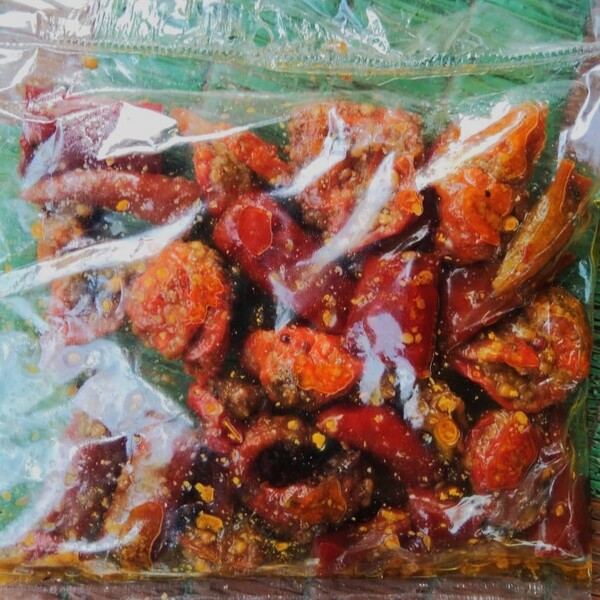
Indian jujube pickle, or Bogori Achar, is a quintessential Assamese condiment characterized by the unique, spongy texture of small, sun-ripened berries that soak up flavours like a sponge. Whether prepared whole or lightly crushed, the fruit transforms during the curing process, developing a leathery yet tender skin that yields to a burst of concentrated tanginess. Each berry is enveloped in a thick, aromatic coating of mustard oil and cracked spices, creating a robust preserve that balances the fruits natural astringency with an earthy, pungent depth.
In the cultural landscape of the Northeast, Bogori Achar is a symbol of winter nostalgia and the communal tradition of bogori tula (picking jujubes). The Assamese style is particularly distinct for its versatility, often prepared in a way that bridges the gap between sour and savoury by incorporating black salt, roasted cumin, and dried red chilies. This pickle is a symbol of domestic patience, as the jars are meticulously moved around the courtyard to catch the best of the winter sun, allowing the flavours to mature into a deep, mahogany-hued delicacy. It remains an enduring favourite in the regional pantry, often enjoyed as a standalone treat or as a zesty spark to a traditional afternoon meal. Location : Assam, India
Specification :
| Net Weight |
: |
200 Grams | | Nutritional Profile |
: |
Energy: Provides roughly 145–175 kcal.
Carbohydrates: Mainly derived from the natural sugars of the fruit and dietary fibre.
Vitamin C: Naturally high due to the Bogori fruit, which helps in iron absorption.
Healthy Fats: Contains essential fatty acids from the cold-pressed mustard oil base.
Minerals: Rich in Potassium and Iron, with moderate Sodium content from the salt used in the curing process.
Antioxidants: Contains phytochemicals and flavonoids that remain stable through the pickling process. | | Speciality |
: |
Sun-Dried Process: The jujubes are traditionally sun-dried in the North-Eastern sun to achieve a chewy consistency.
Assamese Infusion: Uses local Bhut Jolokia (ghost pepper) in small quantities or birds eye chilies for a signature heat. | | Benefits |
: |
Digestive Aid: Often consumed post-meal to stimulate digestive enzymes.
Immunity Boost: Rich in antioxidants and Vitamin C.
Appetizer: The sour-salty-spicy combo is known to improve appetite. | | Flavour Profile |
: |
Dominant: Sharp Sourness (Acidic).
Secondary: Pungent (from mustard oil) and Umami.
Heat Level: Medium to High. | | Texture |
: |
Consistency: Semi-dry to oily.
Mouthfeel: The fruit is wrinkled, slightly leathery, and chewy, while the oil is viscous and smooth. | | Taste |
: |
A bold, mouth-puckering sourness followed by the lingering warmth of mustard and local spices. It lacks the sugary sweetness of North Indian jujube pickles. | | Ingredients |
: |
Wild Indian Jujube (Bogori).
Cold-pressed Mustard Oil.
Spices: Fenugreek seeds, Fennel seeds, Turmeric, Black Cumin (Kalonji), and Mustard seeds.
Heat: Local Bhut Jolokia and Birds Eye Chilies.
Preservative: Sea Salt. | | Shelf Life |
: |
Unopened: 12–18 months.
Opened: Best consumed within 6 months for optimal flavour. | | Diet Type |
: |
Vegan, Gluten-Free, and Dairy-Free. | | Storage Instructions |
: |
>Store in a cool, dry place away from direct sunlight.
>Always use a dry spoon to prevent fungal growth.
>Ensure the top layer of jujubes is submerged in mustard oil to act as a natural barrier. | | Origin |
: |
Specifically produced in the Brahmaputra Valley of Assam, India. | | Ethnic Roots |
: |
Deeply rooted in Assamese household traditions. Historically, it was a way for rural families to preserve the seasonal bounty of wild jujube trees found in backyards during the winter months. | | Sustainability |
: |
Eco-Friendly Sourcing: Utilizes wild-harvested or locally grown indigenous Bogori fruits, which require no chemical fertilizers or intensive irrigation, preserving the local ecosystem.
Zero-Waste Philosophy: The entire fruit, including the fibre-rich skin, is used in the pickling process, ensuring no organic matter is wasted.
Solar Processing: Relies on traditional sun-dehydration methods to cure the fruit and mature the pickle, significantly reducing the carbon footprint compared to industrial heat-processing.
Support for Local Biodiversity: By commercializing regional wild fruits, the production encourages the conservation of native jujube trees and prevents land clearing for monoculture crops.
Low-Impact Production: Crafted using artisanal, small-batch techniques that prioritize manual labour over heavy machinery, minimizing energy consumption during manufacturing. |
About Seller :
The Seller is located from "Assam, INDIA " and specialized in PICKLES.
|

.jpg "Click To Zoom")

.jpg)
.jpg)
.jpg)
.jpg)
.jpg)
.jpg)
.jpg)
.jpg)
.jpg)
.jpg)
.jpg)
.jpg)
.jpg)
.jpg)
.jpg)
.jpg)
.jpg)
.jpg)
.jpg)
.jpeg)
.jpg)





.jpg)
.jpg)

.jpg)