Prawn Dry Fish
Code : P14184
INR
 735 /
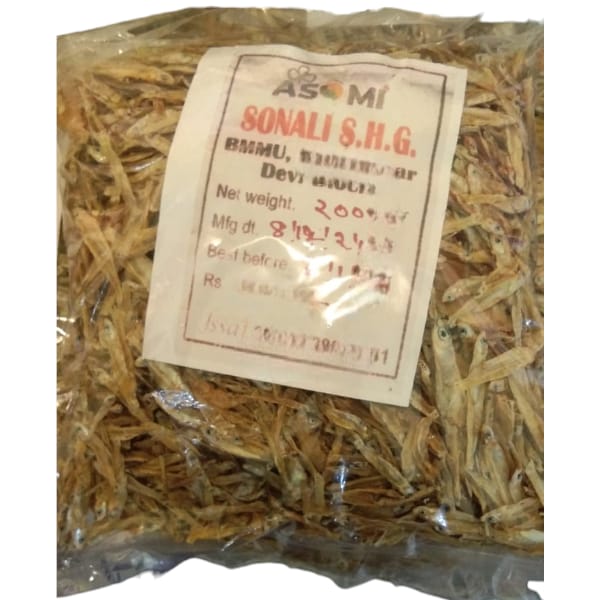
735 / Kg MRP : 965 24% Off Excluding Taxes & Duties Net Weight : 1 Kg
Description :
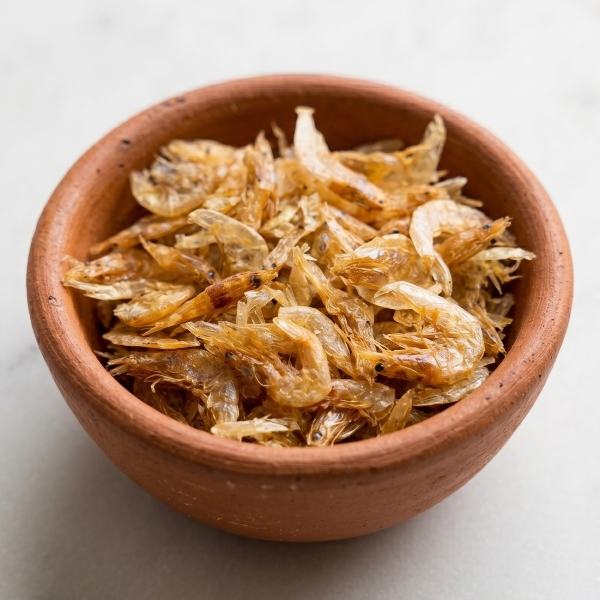
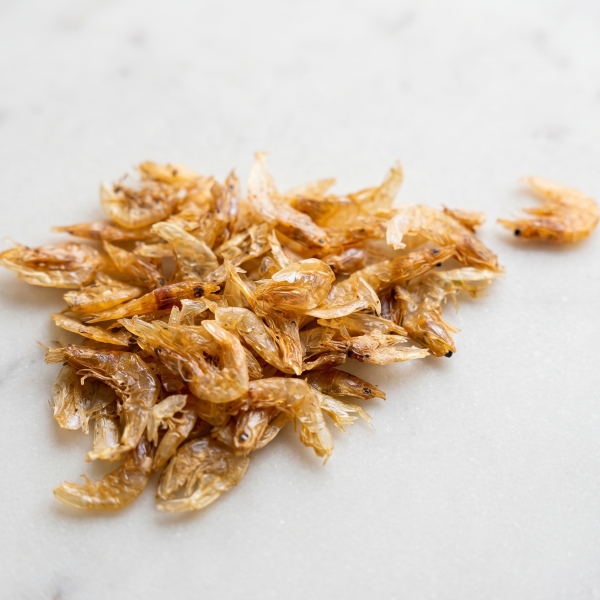
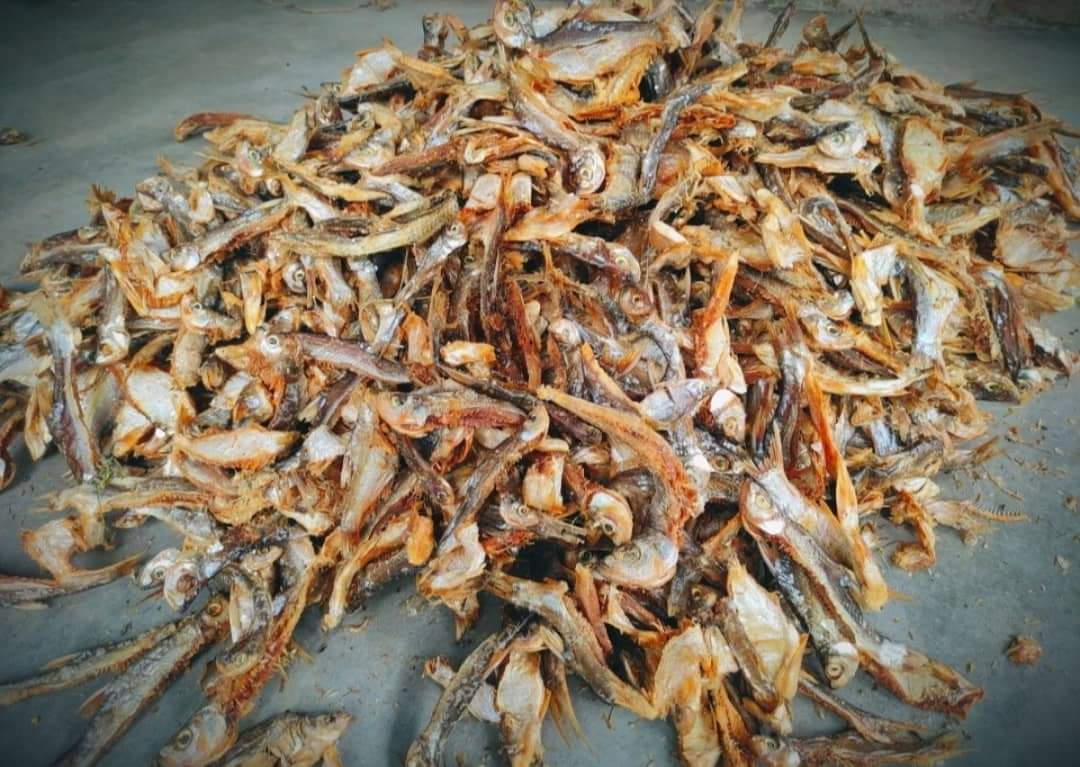
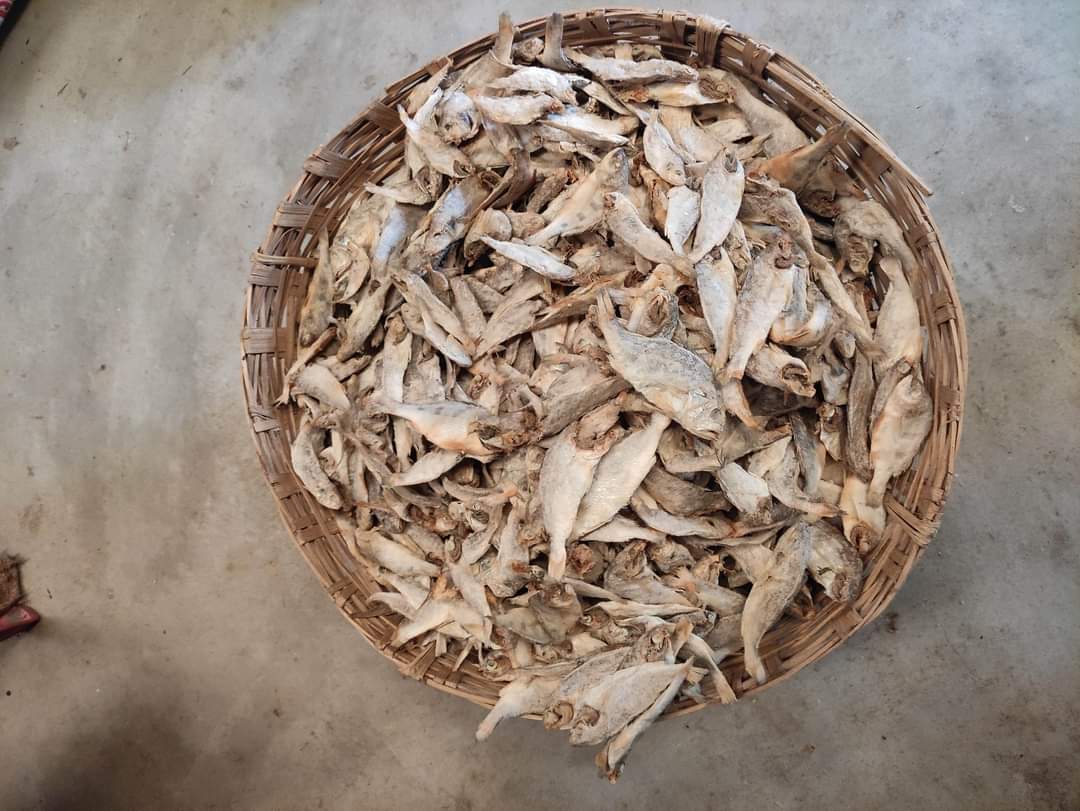
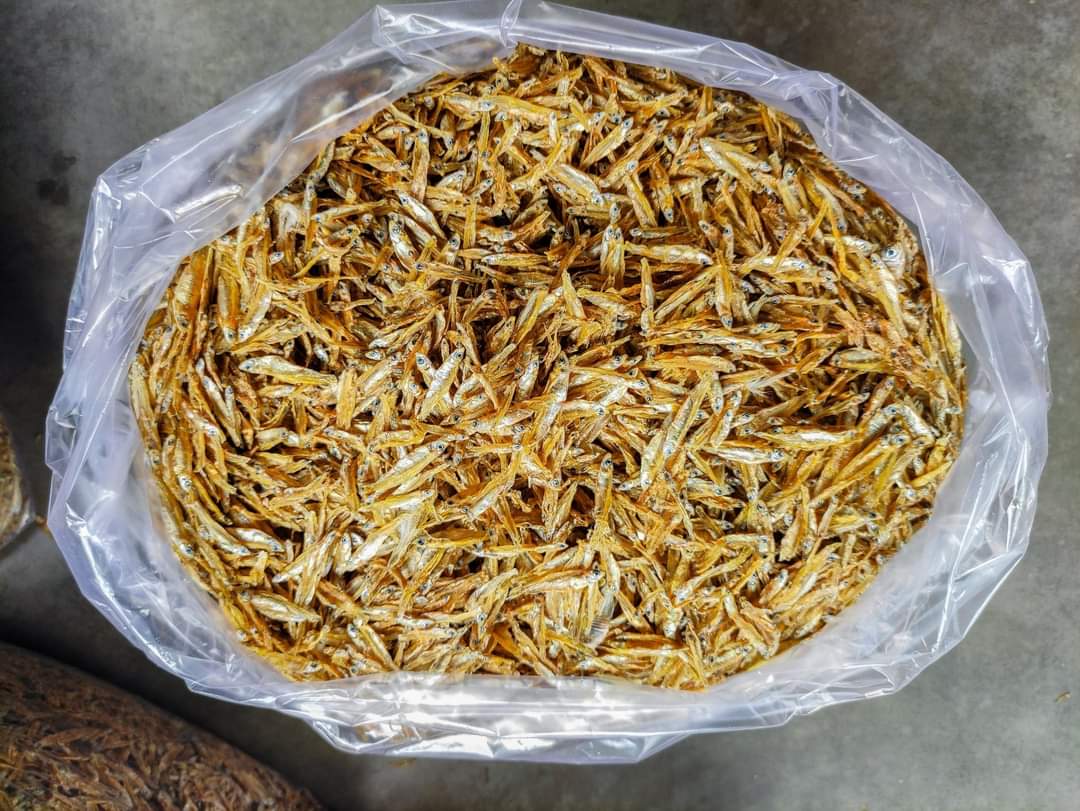
Dried prawn is a concentrated, nutrient-dense seafood product made by dehydrating fresh prawns until they are firm and moisture-free. This traditional preservation method, often involving sun-drying on large mats, transforms the meat into an intense umami bomb. Because the water is removed, the natural salt and seafood flavours become highly potent, making them a staple ingredient for adding depth to dishes rather than just being a standalone protein.
From a culinary perspective, these prawns are incredibly versatile and are utilized across various global cuisines. In many cultures, they are soaked in water to regain a chewy texture before being tossed into spicy curries, stir-fries, or vegetable sautés. Alternatively, they can be ground into a fine powder to serve as a natural seasoning for soups and broths or deep-fried with aromatics like garlic and chili to create a crunchy, savoury side dish.
Nutritially, dried prawn is an excellent source of high-quality protein and essential minerals such as calcium and phosphorus. However, because they are often salted during the preservation process, they carry a high sodium content and a very pungent aroma that characterizes traditional seafood markets. Seller Status : Location : Assam, India
Specification :
| Nutritional Benefits |
: |
High Protein Density: Contains approximately 60% to 70% protein by weight, making it a highly concentrated source of lean muscle-building nutrients.
Mineral Rich: Exceptionally high in calcium (for bone health) and phosphorus, along with significant levels of iron and iodine.
Omega-3 Content: Provides essential fatty acids that support heart health and brain function, preserved even after the dehydration process.
Low Calorie: Offers a high-nutrient-to-calorie ratio, provided it is prepared without excessive oil or added sugars. | | Speciality |
: |
Natural Preservation: A time-tested, chemical-free preservation method that uses only salt and sunlight to extend shelf life for months.
Concentrated Essence: The dehydration process removes about 75-80% of the water weight, leaving behind the "pure essence" of the seafood.
Artisanal Craft: Often produced in small batches by coastal communities using traditional methods passed down through generations. | | Flavour Profile |
: |
Deep Umami: Functions as a natural flavor enhancer similar to MSG, providing a rich, savory "fifth taste" to any base liquid.
Briny & Salty: Carries a distinct oceanic saltiness that reduces the need for additional table salt in recipes.
Pungent Aroma: Features a sharp, fermented-sea scent that mellows significantly and becomes sweet and nutty once cooked. | | Culinary Uses |
: |
Base Seasoning: Often toasted and ground into a fine powder to be used as a dry rub or a seasoning for broths and ramen.
Textural Component: Rehydrated and added to stir-fries, vegetable sautés, or traditional stews (like Eromba or Gumbo) for a chewy bite.
Condiments: A primary ingredient in spicy sambals, chutneys, and XO sauces popular in Southeast Asian cuisine.
Fried Garnish: Deep-fried until crisp and served as a crunchy topping for rice dishes or salads. | | Texture |
: |
Raw State: Tough, leathery, and slightly translucent; varies from bone-dry (brittle) to semi-dried (pliable).
Cooked State: Becomes either tender and chewy when boiled/braised or light and airy-crisp when deep-fried.
Consistency: The exoskeleton (shell) often becomes brittle and edible, providing a unique fibrous snap. | | Taste |
: |
Initial Note: Sharp saltiness followed by a burst of concentrated sweetness inherent to prawn meat.
Aftertaste: A long-lasting, savory seafood finish that lingers on the palate.
Complexity: Offers a smoky undertone if the prawns were dried over a fire or in high-heat mechanical dryers. | | Sustainability |
: |
Zero Waste: Allows for the utilization of seasonal surpluses that would otherwise spoil, reducing food waste in the seafood supply chain.
Low Energy: Sun-drying is a carbon-neutral preservation method relying entirely on renewable solar energy.
Local Economy: Supports small-scale artisanal fishers and coastal "dry-fish" economies rather than industrial processing plants. | | Ethnic Roots |
: |
Southeast Asian Heritage: Central to the "Bagoong" of the Philippines, the "Belacan" of Malaysia, and Thai "Kung Haeng."
South Asian Traditions: A staple in North East Indian tribes (Assamese and Manipuri cuisines) and coastal regions like Goa and Bengal.
African & Latin Influence: Heavily used in West African soups (Nigeria/Ghana) and Brazilian Moqueca or Vatapá, showcasing its global historical footprint via maritime trade. |
About Seller :
The Seller is located from "Assam, INDIA " and specialized in Fish.
|




 (3).jpg)
.jpeg)
.jpeg)

.jpeg)



.jpeg)