Khainga Dry Fish
Code : P14183
INR
 735 /
735 / Kg MRP : 965 24% Off Excluding Taxes & Duties Net Weight : 1 Kg
Description :
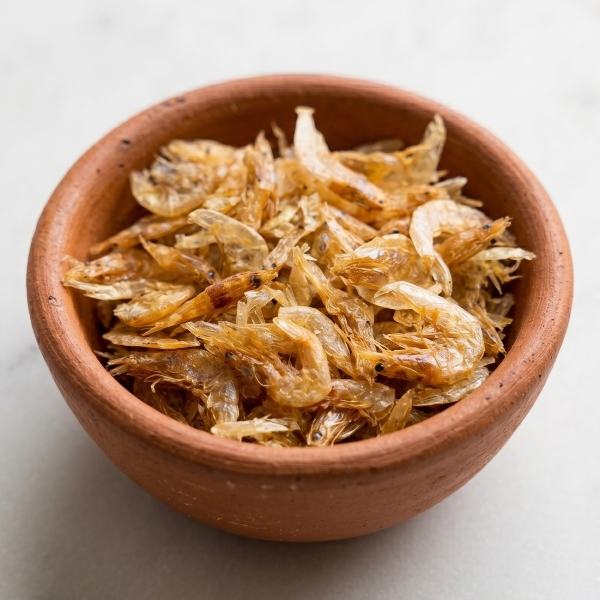
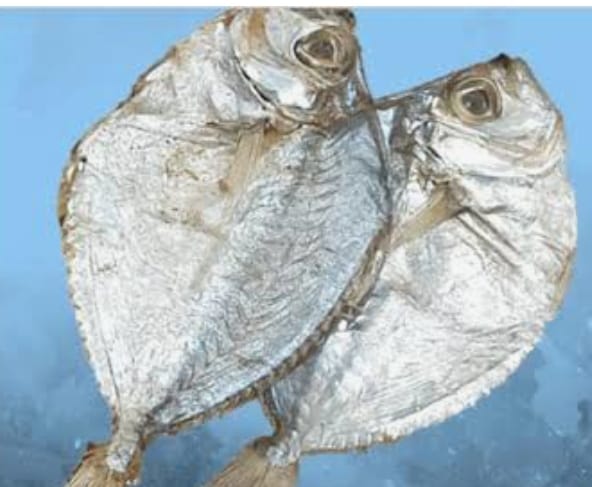
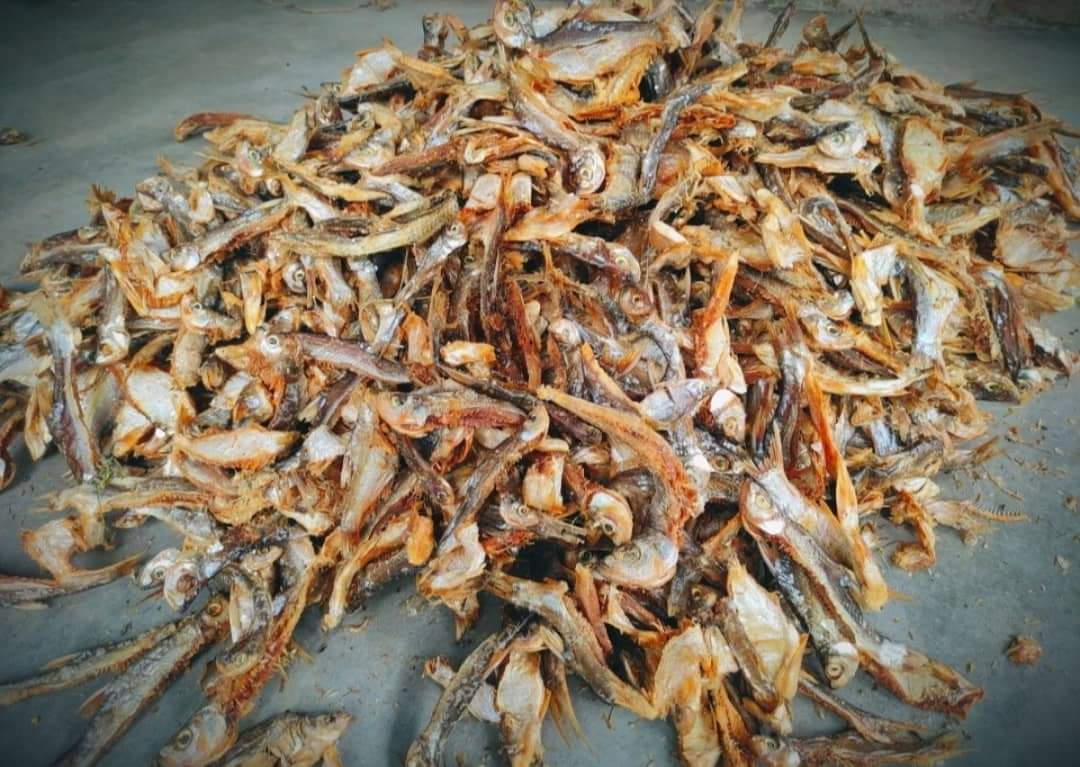
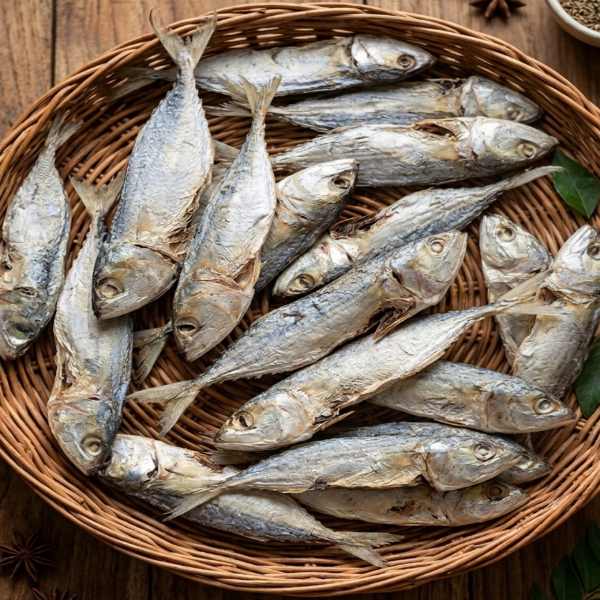
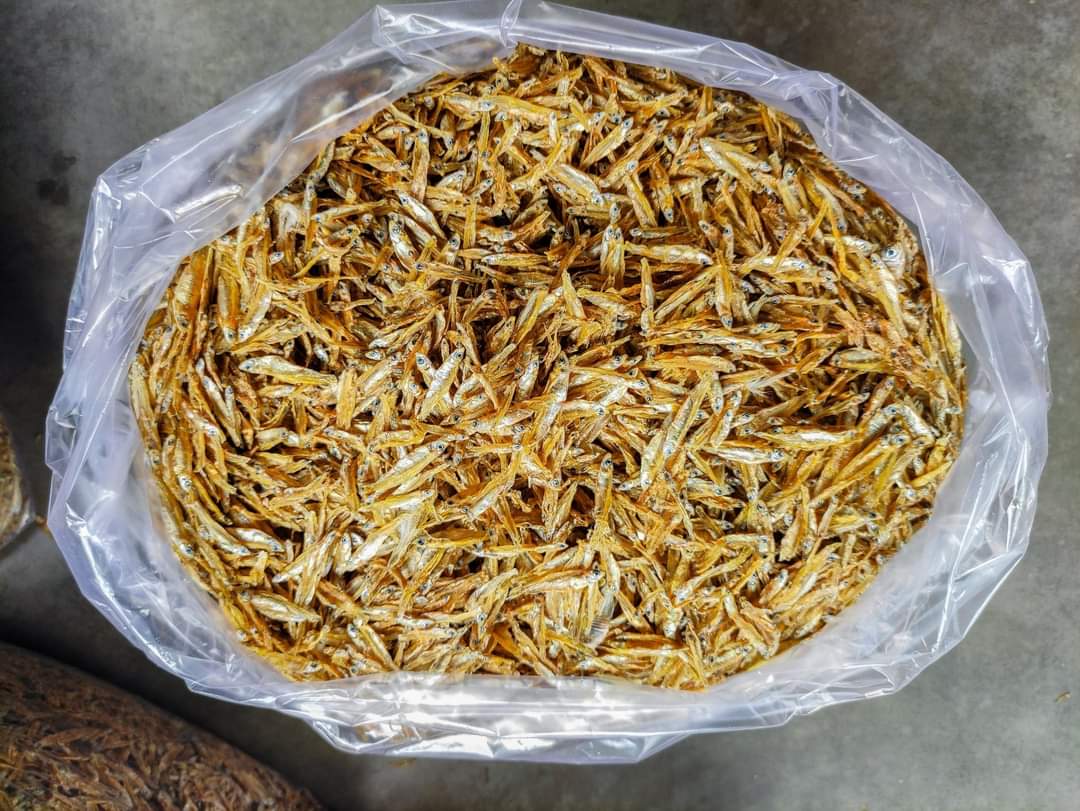
Khainga dry fish, prepared from the prized Mullet (Mugil Cephalus), is a cornerstone of coastal East Indian cuisine, particularly in Odisha. The process begins with fresh, high-quality fish that are cleaned, salted, and sun-dried until they achieve a firm, leathery texture. This traditional preservation method concentrates the natural oils of the Mullet, transforming its mild fresh flavour into an intense, savoury umami profile that is highly sought after by seafood connoisseurs.
In the kitchen, Khainga dry fish is known for its potent aroma and its ability to act as a powerful flavour base for complex curries. Because the drying process hardens the fish, it is typically soaked in warm water before being sautéed with pungent ingredients like mustard paste, garlic, and green chilies. It holds its structure remarkably well during slow simmering, allowing it to absorb the spices of a dish while providing a distinctively meaty and salty contrast to accompanying vegetables like eggplant or pumpkin.
Beyond its culinary appeal, this dried delicacy is valued for its long shelf life and concentrated nutritional benefits. It serves as an excellent source of high-quality protein and essential minerals such as calcium and phosphorus. While it is a staple in everyday coastal meals, it is also considered a soulful comfort food, often enjoyed as a charred mash with raw onions and mustard oil, or as the star ingredient in a rich, mustard-based Rai. Seller Status : Location : Andhra Pradesh, India
Specification :
| Nutritional Benefits |
: |
Protein Powerhouse: Contains highly concentrated lean animal protein essential for tissue repair.
Healthy Fats: Rich in Omega-3 fatty acids, promoting cardiovascular and brain health.
Mineral Rich: High levels of calcium, phosphorus, and iodine for bone density and thyroid function.
Vitamin D: Natural source of Vitamin D, which is often enhanced during the sun-drying process. | | Speciality |
: |
Brackish Origin: Sourced from Grey Mullet found in unique ecosystems like Chilika Lake.
Premium Variety: Considered a high-tier Sukhua due to the fishs natural oil content.
Artisanal Process: Hand-processed using traditional sun-drying and salt-curing techniques.
Seasonal Staple: A vital food source that bridges the gap during the monsoon fishing ban. | | Flavour Profile |
: |
Intense Umami: A deep, savoury "fifth taste" that develops during the curing stage.
Pungent Aroma: Features a sharp, characteristic scent that defines coastal Indian kitchens.
Buttery Finish: The high fat content provides a rich, oily aftertaste once cooked.
Salt-Forward: A bold, briny profile that acts as a natural seasoning for entire dishes. | | Culinary Uses |
: |
Mustard Gravies: The star of Sukhua Rai, paired with garlic and mustard paste.
Vegetable Infusion: Added to stir-fries with eggplant and pumpkin for added depth.
Fire-Roasted: Charred over flames and mashed with mustard oil and chilies for Chutneys.
Rice Side: Typically served with steamed rice or Pakhala (fermented rice water). | | Texture |
: |
Leathery Exterior: In its dry form, the fish is firm, tough, and shelf-stable.
Tender Rehydration: Softens beautifully when soaked in warm water or simmered in broth.
Resilient Flesh: Unlike smaller fish, it holds its shape and provides a meaty "bite" in curries.
Flaky Interior: The meat pulls apart into distinct, succulent flakes after cooking. | | Taste |
: |
Savoury & Sharp: A concentrated fish flavour that is significantly bolder than fresh mullet.
Briny Tang: Carries a natural sea-salt tang that balances well with acidic ingredients.
No Bitterness: High-quality Khainga lacks the bitter notes found in cheaper dried varieties.
Complex Sweetness: Subtle notes of natural sweetness emerge from the fatty tissue when heated. | | Sustainability |
: |
Zero Waste: Utilizes surplus catches, preventing food spoilage in coastal regions.
Eco-Friendly Preservation: Relies on solar energy (sunlight) and salt rather than refrigeration.
Low Carbon Footprint: Traditional processing methods involve minimal industrial machinery.
Livelihood Support: Directly benefits artisanal fishing families and local coastal economies. | | Ethnic Roots |
: |
Odia Heritage: A foundational element of the Odisha coastal diet for centuries.
Coastal Identity: Represents the culinary traditions of the Bay of Bengal maritime communities.
Ancestral Knowledge: The specific cleaning and drying ratios are passed down through generations.
Symbol of Home: Acts as a nostalgic cultural marker for the Eastern Indian diaspora. |
About Seller :
The Seller is located from "Andhra Pradesh, INDIA " and specialized in Fish.
|

 (3).jpg)


.jpeg)


.jpg)


.jpeg)
.jpg)