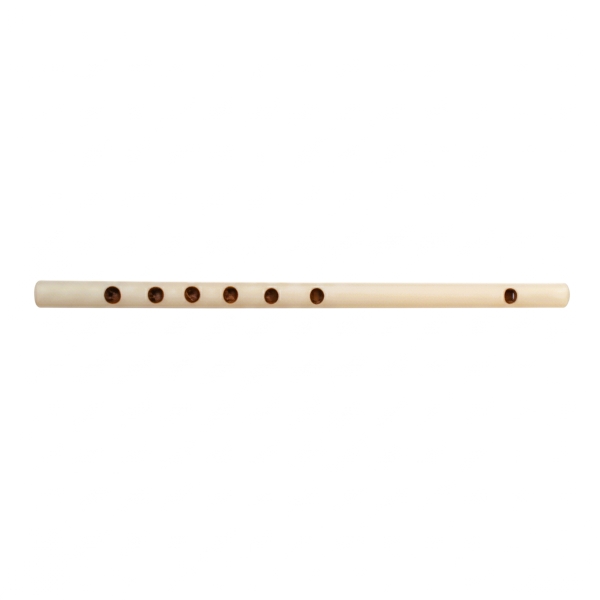
Khol (Mridanga)
Code : P14158
INR
 7438 /
 Piece MRP : 13912 47% Off Excluding Taxes & Duties Net Weight : 0.500 Kg
Description :
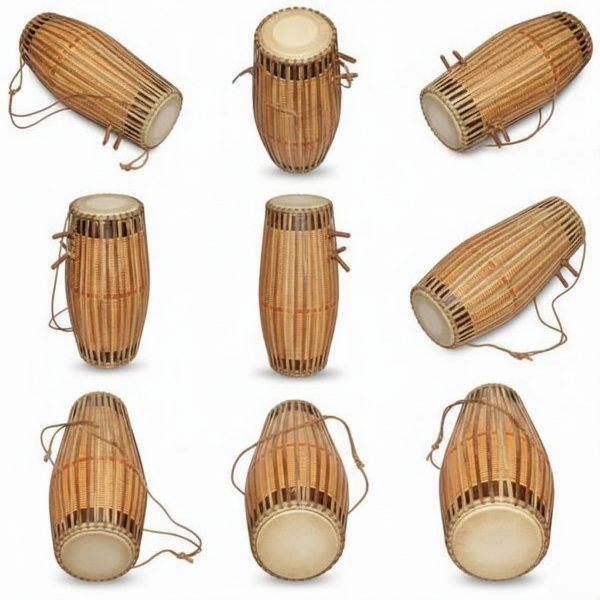
The Khol is a traditional two-faced percussion instrument essential to Assamese Vaishnavite culture, introduced by Saint Srimanta Sankardev. Traditionally made of clay, it has a hollow, egg-shaped body covered with skin, commonly used in Borgeet, Kirtan, and Bhaona. It features a high-pitched right side (daina) and a bass-heavy left side (baya), typically played with fingers. It is played during Nāmaghār (prayer house) rituals and is considered a holy instrument, often described as an avatar of Lord Krishnas flute. Commonly known as a mridanga, the Khol is integral to the spiritual music of Assam. Seller Status : Location : Assam, India
Specification :
| Origin |
: |
Spiritual Lineage: Introduced during the Neo-Vaishnavite movement in the 15th–16th centuries as a primary instrument for devotional music.
Theatrical Roots: Originally designed to accompany Ankiya Naat (traditional one-act plays) and Bhaona (religious theater).
Sacred Craft: Historically manufactured by specialized artisans in the Satra (monastery) regions and traditional pottery villages of Assam. | | Speciality |
: |
Asymmetrical Design: The drum is barrel-shaped but tapers significantly; the right face is much smaller than the left, creating a sharp contrast in tonal frequency.
Tonal Versatility: It is unique among clay drums for its ability to produce a metallic, high-pitched clink on one side and a deep, earthy thud on the other.
Devotional Status: Unlike the Dhol, which is festive/secular, the Khol is considered a sacred object. It is often kept in the Manikut (sanctum sanctorum) of a Namghar. | | Cultural & Regional Heritage |
: |
Sattriya Connection: It is the lead instrument for Sattriya Dance, one of the eight classical dances of India.
Nam-Prasanga: The primary accompaniment for Borgeet (devotional songs) and community prayer sessions (Nam-Kirtan).
Regional Hubs: Majuli (the river island) and Barpeta are the most prominent centres for authentic Khol manufacturing in Assam. | | Traditional Materials & Construction |
: |
The Body (Khola): Crafted from a special mixture of clay (terracotta) baked to a high degree of hardness. In rare, more durable versions, wood or brass is used, though clay remains the traditional standard.
The Heads (Paat):
Dayan (Right): A small face made of fine, multi-layered bovine hide.
Bayan (Left): A larger face made of thicker hide for bass.
The Syahi (Ghab): A permanent black tuning paste made from iron filings, rice paste, and soot applied to the centre of the drumheads to provide resonance.
Lacing (Barati): Long, thin leather straps that wrap around the body to hold the faces in place. | | Acoustic & Tuning |
: |
High Pitch (Right): Tuned to a very high, sharp pitch that cuts through the sound of large groups singing.
Deep Bass (Left): Provides a mellow, vibrating bass that resonates through the clay body.
Tension-Based: Tuning is adjusted by hitting the leather loops with a small hammer or by tightening the leather straps. | | Ornamentation & Aesthetic Details |
: |
Natural Clay Finish: Traditionally left in its natural burnt-orange or brownish terracotta colour.
Protective Cover: Usually encased in a brightly coloured cloth sleeve (often red or saffron) to protect the clay body from impact and moisture.
Braided Straps: The leather lacing is woven in a complex, symmetrical V or W pattern that is both functional and visually striking. | | Playability & Physicality |
: |
Hand Technique: Played entirely with the palms and fingers. It requires intricate finger-tripping techniques to produce rapid-fire rhythmic patterns.
Posture: Played while sitting on the floor or suspended from the neck with a strap during processional Gayan-Bayan performances.
Weight: Surprisingly heavy due to the density of the baked clay and the weight of the iron-paste centres. | | Maintenance & Preservation |
: |
Fragility: As it is made of clay, the body is highly susceptible to cracking if dropped or handled roughly.
Humidity Sensitivity: The leather heads can lose tension in the monsoon; players often keep the instrument in a warm, dry area or near a gentle heat source before use.
Skin Care: The leather faces are kept clean and free of dust, and the iron-paste centre is occasionally touched up to maintain its resonant ring.
Ritual Cleaning: Being a sacred instrument, it is often wiped with a clean cloth and treated with great reverence, never placed directly on the floor without a mat. |
About Seller :
The Seller is located from "Assam, INDIA " and specialized in Musical Instruments.
|

.jpg "Click To Zoom")
.jpg)
.jpg)
.jpg)
.jpg)
.jpg)
.jpg)
.jpg)