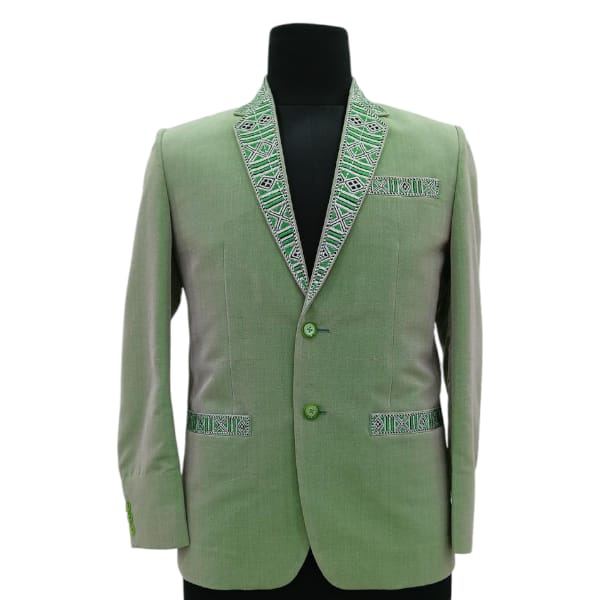
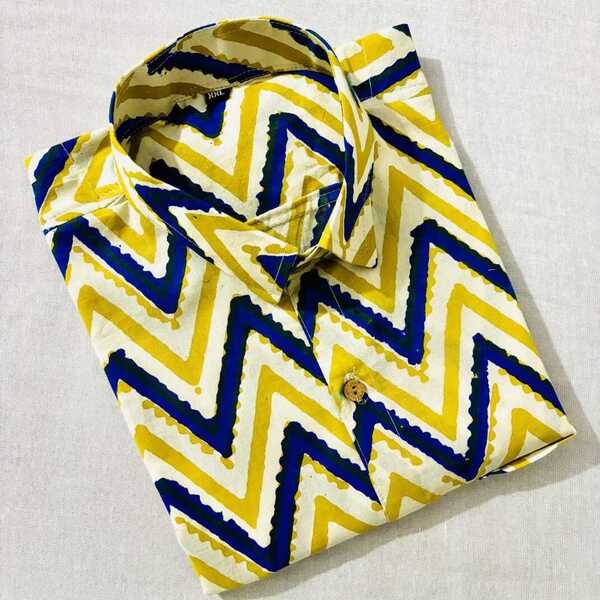
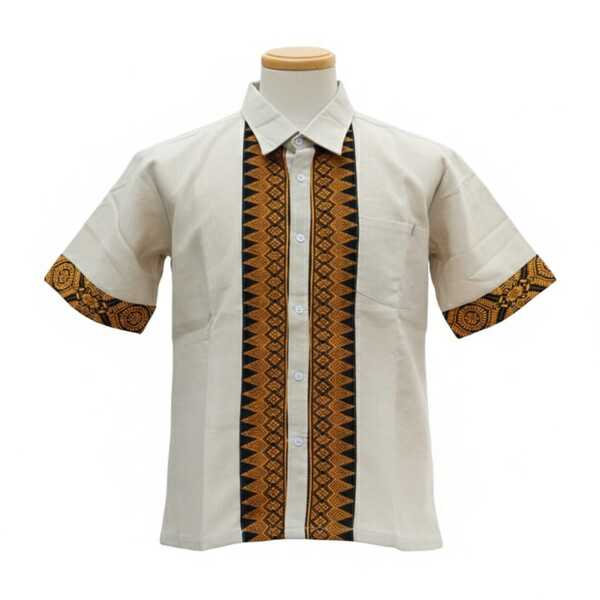
Eri Silk Shirt
Code : P13989
INR
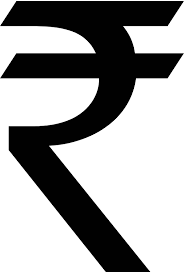 9600 /
 Piece MRP : 13808 30% Off Excluding Taxes & Duties Net Weight : 0.500 Kg
Description :
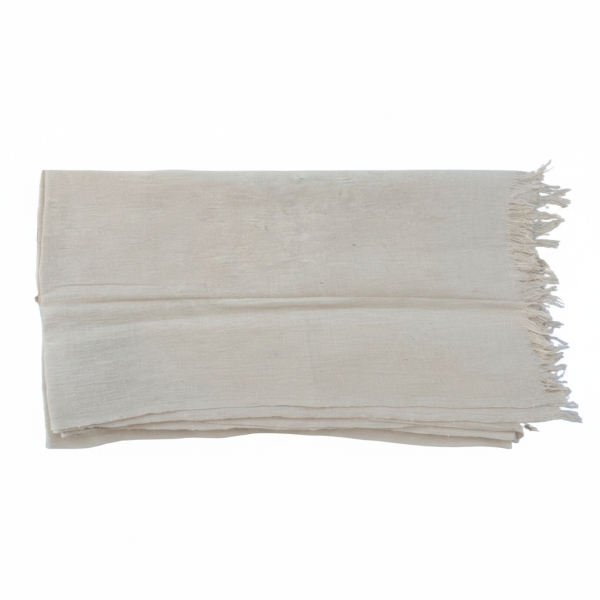
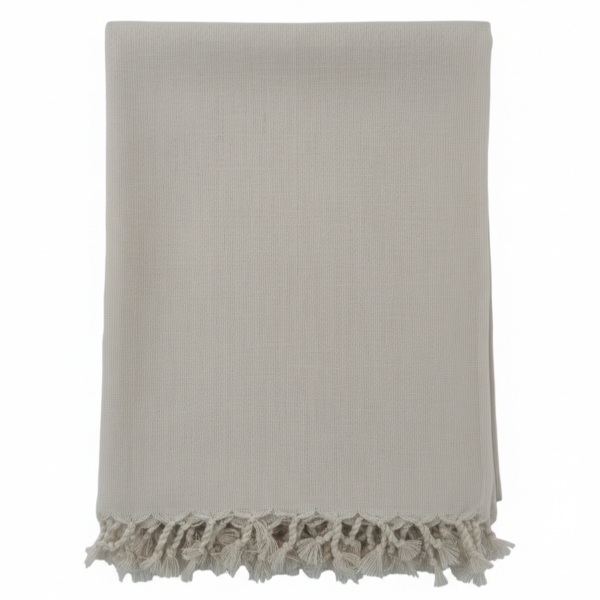
Eri silk shirts are high-quality garments made from peace silk, a sustainable, cruelty-free, and durable protein fibre derived from the Samia cynthia ricini moth, primarily in Northeast India. These shirts are known for their comfort, featuring soft, breathable, and isothermal properties that make them suitable for all-season wear. Suitable for both casual and formal wear, they are known for having a comfortable, often relaxed-yet-tailored fit. Eri shirts are considered eco-friendly and sustainable, as the silk is processed without killing the silkworm, where Common designs include hand-woven, eco-conscious options with detailed stitching or minimalist aesthetics. Seller Status : Location : Assam, India
Specification :
| Fabric |
: |
Eri Silk: Also known as Endi or Errandi silk, it is one of the most prestigious wild silks of India.
Texture: It has a unique wool-like feel and a matte finish, distinguished by its thick, soft, and slightly grainy texture. | | Country Of Origin |
: |
India: Specifically produced in the Bodoland Territorial Region of Assam, a primary hub for sericulture in Northeast India. | | Material |
: |
100% Natural Silk: Derived from the cocoons of the Samia ricini moth.
Organic Composition: A protein-based fibre that is completely biodegradable and hypoallergenic. | | Speciality |
: |
Peace Silk (Ahimsa): Unlike Mulberry silk, Eri is processed only after the moth has naturally exited the cocoon, making it a cruelty-free and vegan-friendly silk option.
Isothermal Property: It possesses a natural all-weather quality, acting as a thermal insulator that keeps the wearer warm in winter and cool in summer. | | Technique Of Design |
: |
Hand-Spinning: The silk is hand-spun into yarn using a traditional spindle (Takli), which gives the fabric its characteristic slubbed texture.
Extra-Weft Weaving: Artisans use a manual handloom to interweave traditional motifs directly into the fabric structure.
Natural Dyes: Often treated with plant-based dyes like indigo, turmeric, or lac for an eco-friendly colour palette. | | Tribe Name |
: |
Boro (Bodo) Tribe: The largest ethnolinguistic community in Assam, who are master weavers and have preserved the tradition of Eri silk cultivation for centuries. | | Cultural & Traditional Significance |
: |
Ancestral Heritage: For the Boro people, weaving Eri silk is a sacred skill passed down from mothers to daughters.
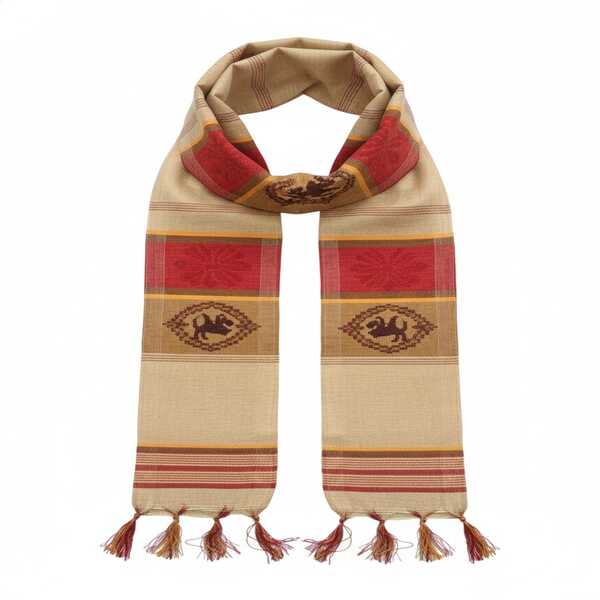
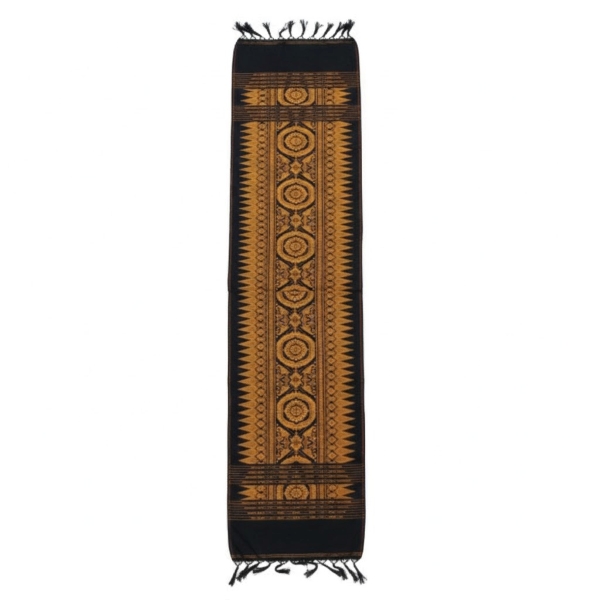
Ceremonial Use: Historically used to create the Arnai (a traditional scarf) and other garments gifted during the Bwisagu festival as a mark of respect and love.
Indigenous Identity: The fabric represents the self-sufficiency and deep ecological bond of the Bodo community. | | Durability |
: |
High Tensile Strength: Known as the Iron Silk, it is incredibly strong and resistant to wear and tear.
Longevity: It is a living fabric that does not lose its shape; instead, it becomes softer, more lustrous, and more comfortable with age. | | Breathability |
: |
Moisture Wicking: The fabric is highly porous, allowing it to absorb perspiration and let the skin breathe.
Comfort: It does not cling to the body, making it ideal for high-humidity climates. | | Care Instruction |
: |
Washing: Gentle hand wash in cold water using a mild, eco-friendly liquid detergent or Reetha (soapnut) water.
Drying: Flat dry in a shaded area. Avoid direct sunlight, as UV rays can weaken the natural fibres.
Pressing: Iron on the reverse side using the Silk or Wool setting while the garment is slightly damp.
Storage: Keep in a dry, ventilated space; use neem leaves or lavender sachets to protect against moths. |
About Seller :
The Seller is located from "Assam, INDIA " and specialized in HANDLOOMS & HANDCRAFTED.
|

.jpg "Click To Zoom")
.jpg)
.jpg)


.jpg)


.jpg)
.jpg)
.jpg)
.jpg)