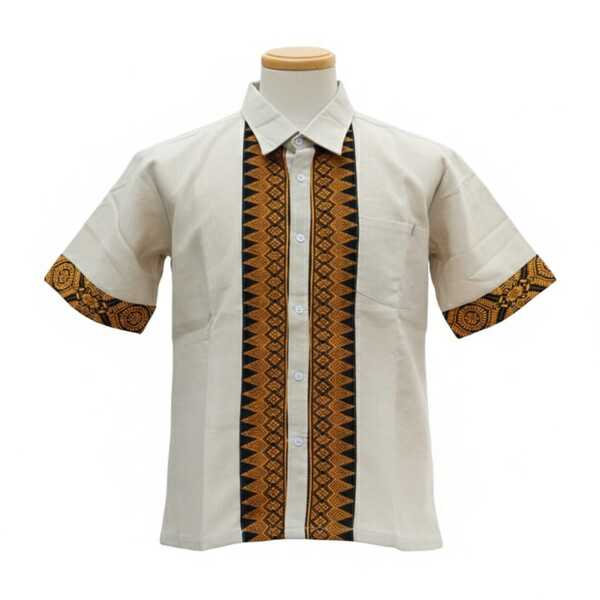
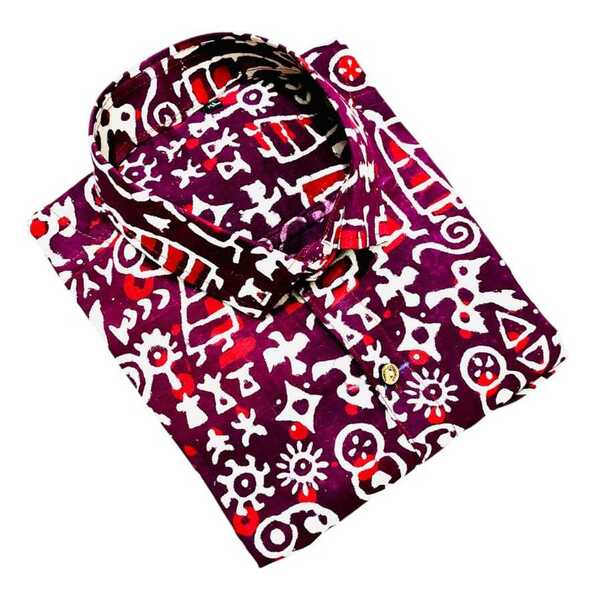
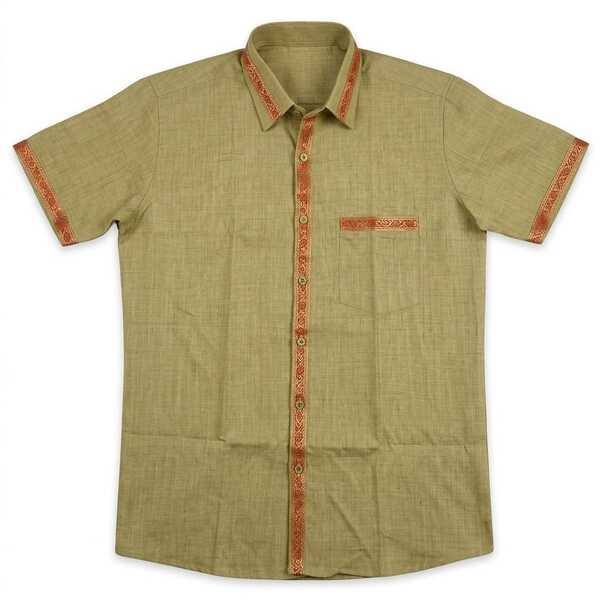
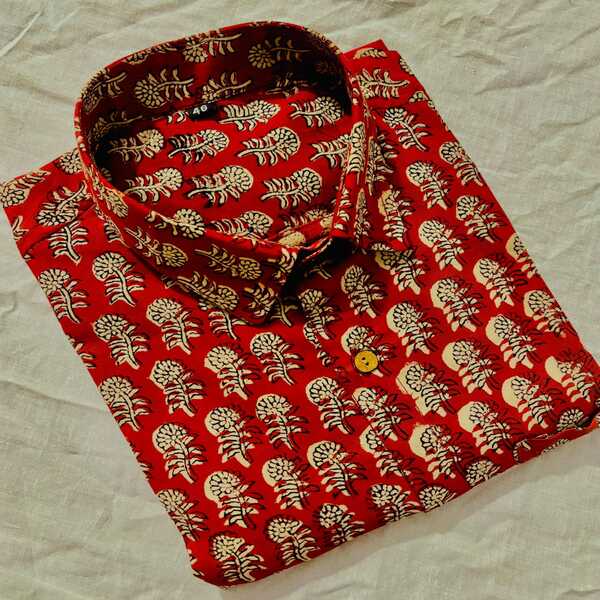
Bodo Traditional Eri Shirt
Code : P13988
INR
 3600 /
 Piece MRP : 5070 29% Off Excluding Taxes & Duties
Extra Charges : Shipping | Insurance | Packaging
Net Weight : 0.500 Kg
Description :
Bodo traditional Eri shirts, are premium, handwoven garments crafted from Eri silk, known as the Queen of Silks or Ahimsa Silk from Assam. These shirts are part of a sustainable, eco-friendly tradition where the silk is harvested without killing the silkworm. These garments represent a deep cultural heritage and are highly valued for their comfort, warmth, and intricate craftsmanship. Location : Assam, India
Specification :
| Fabric |
: |
Traditional Boro Eri: A heavy-denier, hand-spun silk that feels substantial and rustic, resembling a blend of fine wool and cotton.
Authenticity: Sourced directly from the Samia ricini silkworms reared in the homesteads of Bodoland. | | Country Of Origin |
: |
India: Specifically produced in the Bodoland Territorial Region of Assam, a primary hub for sericulture in Northeast India. | | Material |
: |
Pure Eri Fibre: 100% organic and unadulterated silk, known for its dense protein structure and natural off-white or deep beige isabelline hue. | | Speciality |
: |
Ahimsa Ethos: The shirt is a product of non-violent silk harvesting, where no living creature is harmed during the extraction process.
Climate Adaptive: Unlike lighter silks, this traditional weave provides significant warmth during the Assamese winter while remaining airy during the monsoon. | | Technique Of Design |
: |
Boro Handloom Weaving: Woven on the traditional Loom (Thaon) used by Boro women, characterized by a tight, durable weave.
Indigenous Motifs (Agor): Features the iconic Hajw Agor (mountain pattern) or Phul Agor (flower designs) on the collar, cuffs, or button placket.
Manual Construction: Every shirt is a result of labour-intensive hand-spinning and manual shuttle-throwing, ensuring no two pieces are identical. | | Tribe Name |
: |
The Boro (Bodo) People: An indigenous community of the Tibeto-Burman origin, recognized as the pioneer silk farmers and weavers of the Brahmaputra Valley. | | Cultural & Traditional Significance |
: |
Symbol of Honour: In Boro culture, wearing an Eri shirt (Endi Chola) is a sign of status, maturity, and respect during village councils and weddings.
Festive Attire: It is the primary choice of dress for men during the Bwisagu (New Year) celebrations, symbolizing a connection to the earth and Boro ancestors. | | Durability |
: |
Generational Longevity: Known to last for decades; it is common for a Boro Eri shirt to be passed down from father to son as a family heirloom.
Pilling Resistance: Unlike synthetic fabrics, it does not pill or thin out, maintaining its structural integrity over hundreds of wears. | | Breathability |
: |
Natural Ventilation: The hand-spun yarn creates tiny air pockets in the weave, allowing for superior air circulation and temperature regulation.
Odour Resistance: The natural proteins in the silk help repel odours and moisture, keeping the garment fresh even in humid conditions. | | Care Instruction |
: |
Initial Wash: Dry clean for the first wash to set the hand-woven texture.
Subsequent Cleaning: Gently hand wash with lukewarm water and a very mild silk shampoo; do not wring or twist.
Drying: Roll in a clean towel to remove excess water, then lay flat in a shaded, breezy spot.
Ironing: Use a medium-heat steam iron to smooth out the natural ripples of the handloom fabric. |
About Seller :
The Seller is located from "Assam, INDIA " and specialized in HANDLOOMS & HANDCRAFTED.
|

.jpg)
.jpg)
.jpg)

.jpg)
.jpg)
.jpg)
.jpg)
.jpg)
.jpg)


.jpg)
.jpg)


.jpg)